


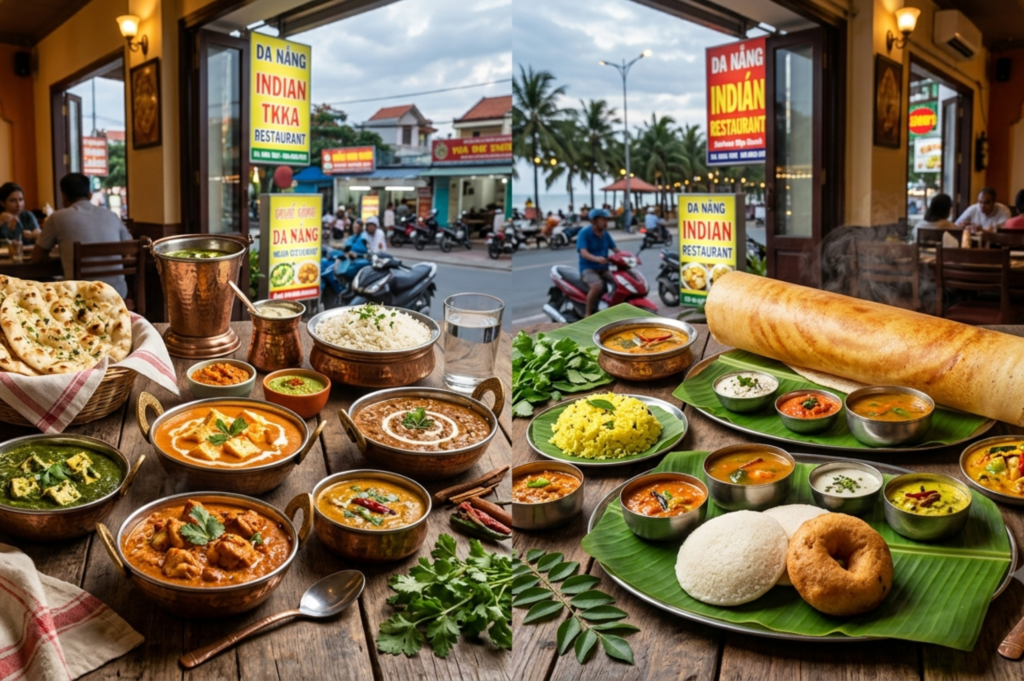
North Indian vs South Indian Food: What to Try in Da Nang

Exploring India’s Two Most Popular Culinary Traditions
Indian cuisine is one of the most diverse food cultures in the world.
With thousands of regional recipes, unique cooking techniques, and centuries of culinary traditions, Indian food offers an incredible variety of flavors and dining experiences.
Among all regional styles, two major categories dominate conversations about Indian cuisine:
- North Indian Food
- South Indian Food
Both are authentic, both are delicious, and both offer unique culinary experiences.
For travelers visiting Da Nang, understanding the differences between North Indian and South Indian cuisine can help make dining choices easier and more enjoyable.
Understanding India’s Culinary Diversity
India is a vast country with diverse climates, cultures, and traditions.
These differences influence:
- Ingredients
- Cooking methods
- Spice usage
- Staple foods
- Flavor profiles
As a result, North Indian and South Indian cuisines have developed distinct identities while remaining part of the same rich culinary heritage.
What Is North Indian Food?
North Indian cuisine is often characterized by:
- Rich gravies
- Dairy-based dishes
- Tandoori cooking
- Wheat-based breads
- Creamy curries
The cuisine is especially popular among international diners because many globally recognized Indian dishes originate from North India.
Popular North Indian Dishes to Try
Butter Chicken
One of India’s most famous dishes.
Butter Chicken combines tender chicken with a rich tomato-based gravy, butter, cream, and aromatic spices.
Why People Love It
- Mild spice level
- Rich flavor
- Creamy texture
- Perfect with naan
Paneer Butter Masala
A vegetarian favorite featuring paneer cooked in a creamy tomato gravy.
This dish is ideal for:
- Vegetarians
- Families
- First-time Indian food diners
Dal Makhani
Dal Makhani is a slow-cooked lentil dish known for its rich flavor and creamy consistency.
It remains one of the most popular vegetarian dishes in North Indian cuisine.
Tandoori Chicken
Cooked in a traditional clay oven, Tandoori Chicken delivers smoky flavors and a distinctive texture.
This dish showcases one of North India’s most famous cooking methods.
Garlic Naan
No North Indian meal feels complete without freshly baked naan.
Garlic Naan pairs perfectly with:
- Butter Chicken
- Paneer curries
- Dal dishes
What Is South Indian Food?
South Indian cuisine is known for:
- Rice-based dishes
- Lentil preparations
- Fermented foods
- Coconut flavors
- Lighter textures
South Indian food is especially popular among travelers seeking vegetarian-friendly dining options.
Popular South Indian Dishes to Try
Masala Dosa
The most famous South Indian dish.
This crispy rice-and-lentil crepe is filled with spiced potatoes and served with:
- Coconut chutney
- Sambar
- Tomato chutney
Idli
Soft steamed rice cakes that are nutritious, light, and easy to digest.
Idli is one of the healthiest breakfast dishes in Indian cuisine.
Uttapam
A thick savory pancake topped with vegetables.
Popular toppings include:
- Onion
- Tomato
- Green chili
- Fresh herbs
Medu Vada
A crispy lentil doughnut traditionally served with sambar and chutney.
It provides a delicious balance of texture and flavor.
Sambar
Sambar is a lentil-based vegetable stew that accompanies many South Indian dishes.
It adds depth and richness to the meal.
North Indian vs South Indian Food: Key Differences
Staple Ingredients
North Indian Cuisine
- Wheat
- Dairy products
- Cream
- Paneer
South Indian Cuisine
- Rice
- Lentils
- Coconut
- Tamarind
Cooking Style
North Indian Food
Often uses:
- Tandoor cooking
- Rich gravies
- Slow cooking
South Indian Food
Often uses:
- Fermentation
- Steaming
- Rice-based preparations
Flavor Profile
North Indian
- Rich
- Creamy
- Smoky
- Robust
South Indian
- Tangy
- Light
- Aromatic
- Fresh
Bread vs Rice
North Indian cuisine emphasizes breads such as:
- Naan
- Roti
- Paratha
South Indian cuisine focuses on:
- Dosa
- Idli
- Rice dishes
Which Cuisine Should You Try First?
The answer depends on personal preference.
Choose North Indian cuisine if you enjoy:
- Rich curries
- Creamy gravies
- Tandoori dishes
- Bread-based meals
Choose South Indian cuisine if you enjoy:
- Lighter meals
- Rice-based dishes
- Vegetarian food
- Unique textures
Why Travelers Enjoy Both
Many travelers choose to experience both North Indian and South Indian cuisine during their visit.
This allows them to appreciate:
- India’s culinary diversity
- Regional cooking traditions
- Different spice profiles
- Unique ingredients
Trying both styles creates a more complete Indian food experience.
Vegetarian Travelers Have Endless Choices
One major advantage of Indian cuisine is its extensive vegetarian selection.
Popular vegetarian dishes include:
North Indian
- Paneer Butter Masala
- Dal Makhani
- Chana Masala
- Palak Paneer
South Indian
- Masala Dosa
- Idli
- Uttapam
- Medu Vada
This variety makes Indian cuisine one of the world’s most vegetarian-friendly food traditions.
Frequently Asked Questions
What is the main difference between North Indian and South Indian food?
North Indian cuisine focuses more on breads, dairy, and rich curries, while South Indian cuisine emphasizes rice, lentils, and lighter preparations.
Is South Indian food healthier?
Many South Indian dishes are steamed and fermented, making them popular among health-conscious diners.
Which cuisine is more vegetarian-friendly?
Both cuisines offer excellent vegetarian options, though South Indian cuisine is especially known for its vegetarian traditions.
What is the most popular North Indian dish?
Butter Chicken remains one of the most famous North Indian dishes worldwide.
What is the most popular South Indian dish?
Masala Dosa is widely considered the most iconic South Indian dish.
Conclusion
The comparison between North Indian and South Indian food highlights the incredible diversity of Indian cuisine.
Whether you prefer rich Butter Chicken and Garlic Naan or crispy Masala Dosa and flavorful Idli, both culinary traditions offer unforgettable dining experiences.
For travelers exploring Da Nang, trying both North Indian and South Indian specialties is one of the best ways to experience the depth, flavor, and heritage of authentic Indian cuisine.